What Are Dental Caries?
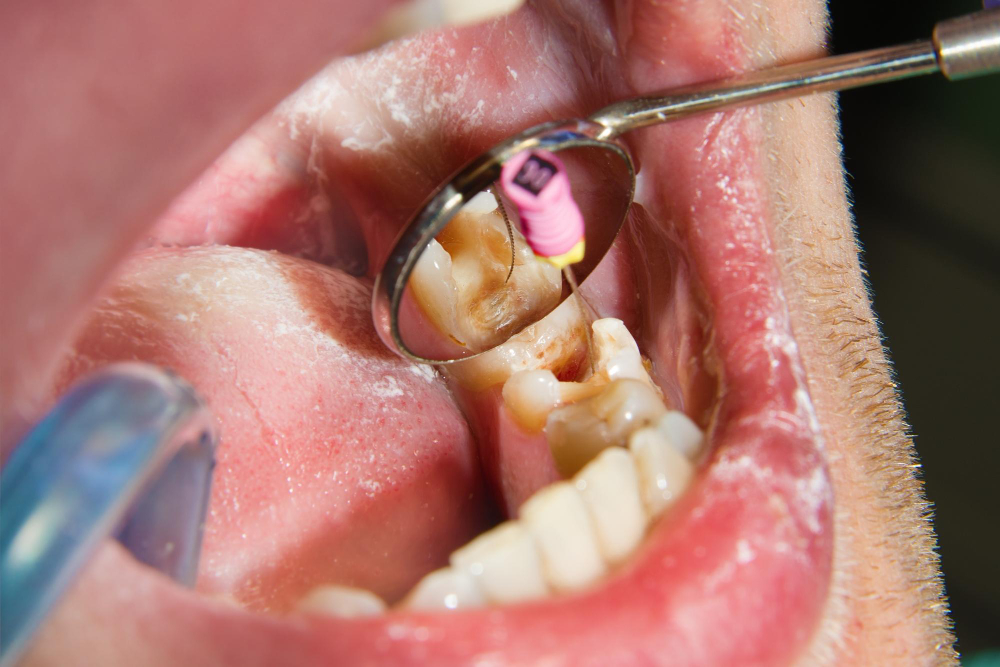
Dental caries, also known as tooth decay or cavities, are damaged areas in the hard surface of your teeth. These spots can turn into tiny holes or larger gaps over time. In fact, dental caries are one of the most common health problems worldwide. According to the World Health Organization (WHO), almost everyone will have dental caries at some point. Early detection and care can help prevent serious issues.
Causes and Risk Factors
Dental caries develop when bacteria in your mouth make acids that eat away at your teeth. These bacteria feed on sugars and starches from food and drinks. Over time, the acid can break down the tooth’s surface. However, several factors can increase your risk:
Therefore, knowing these risk factors can help you take steps to protect your teeth.
Common Symptoms
At first, dental caries may not cause any pain or signs. But as the decay grows, you may notice:
For example, if you feel pain when eating ice cream, it could be a sign of dental caries. Early symptoms are easier to treat, so watch for these changes.
Diagnosis Methods
Dentists use several ways to find dental caries. First, they will look at your teeth and ask about any pain or sensitivity. Next, they may use a small mirror and dental tools to check for soft spots or holes. Sometimes, X-rays help spot cavities that are not visible to the eye. In some cases, special dyes or lights can show early decay. Because early diagnosis makes treatment easier, regular dental check-ups are important.
Treatment Options
Treating dental caries depends on how much damage there is. Early-stage caries may be reversed with fluoride treatments. However, if a cavity has formed, your dentist may suggest:
For most people, early treatment can save the tooth and prevent pain.
Prevention Tips and Oral Hygiene Guidance
Preventing dental caries is easier than treating them. Here are some simple tips for tooth decay prevention:
In addition, teaching children good oral habits early can help prevent dental caries for life.
When to See a Dentist
If you notice any signs of dental caries, such as tooth pain or visible holes, see a dentist soon. Even if you have no symptoms, regular dental visits can catch problems early. Remember, early treatment can stop cavities from getting worse. Do not wait for pain to get help.
Consult a dentist for personalized advice and early treatment of dental caries.