What Are Dental Sealants?
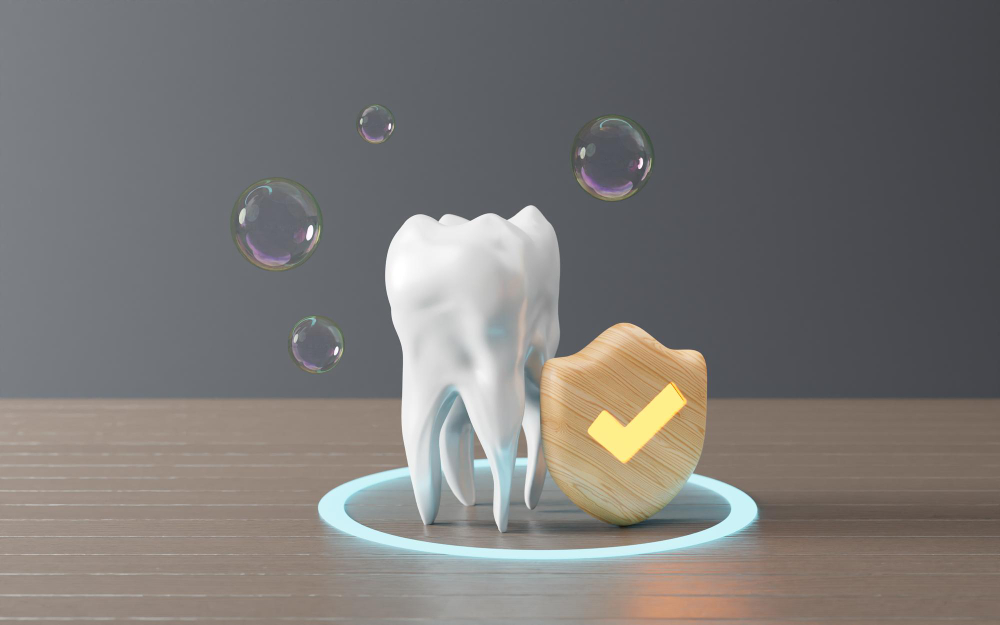
Dental sealants are thin, protective coatings placed on the chewing surfaces of back teeth. Usually, dentists apply them to molars and premolars. These teeth have deep grooves that can trap food and germs. As a result, they are more likely to get cavities. Dental sealants act as a shield, keeping out harmful bacteria and food particles. According to the American Dental Association (ADA), sealants can lower the risk of tooth decay by up to 80% in molars.
How Do Dental Sealants Work?
First, dental sealants cover the tiny grooves and pits on your teeth. Because of this, food and germs cannot hide in these areas. When sealants are in place, it becomes much harder for cavities to form. In fact, sealants create a smooth surface that is easy to clean. Even if you brush well, some areas are hard to reach. Therefore, sealants give extra protection where you need it most.
Benefits of Dental Sealants
Who Should Get Dental Sealants?
Most often, dental sealants are recommended for children and teenagers. However, adults without fillings or decay in their back teeth can benefit too. Usually, dentists suggest sealants for:
For those with a history of cavities, sealants offer extra protection. If you are unsure, ask your dentist if dental sealants are right for you or your child.
The Dental Sealant Procedure
Getting dental sealants is simple and painless. Here is what you can expect:
The whole process takes only a few minutes per tooth. Most people feel no discomfort at all.
Aftercare and Longevity
Once sealants are in place, you can eat and drink as usual. However, it is important to keep up with good oral hygiene. With proper care, dental sealants can last up to 10 years. Still, your dentist will check them at each visit. If a sealant chips or wears away, it can be repaired quickly. To make your sealants last longer:
Common Myths About Dental Sealants
Some people worry about dental sealants. However, many concerns are based on myths. Let’s clear up a few:
Prevention Tips for Healthy Teeth
Even with dental sealants, you should care for your teeth every day. Here are some tips to keep your smile bright:
Conclusion and Call-to-Action
In summary, dental sealants are a safe and effective way to protect your teeth from cavities. They work best when combined with good oral hygiene and regular dental visits. If you want to know more about how dental sealants protect teeth, talk to your dentist. Consult your dentist to find out if dental sealants are right for you.