What Are Complete Dentures?
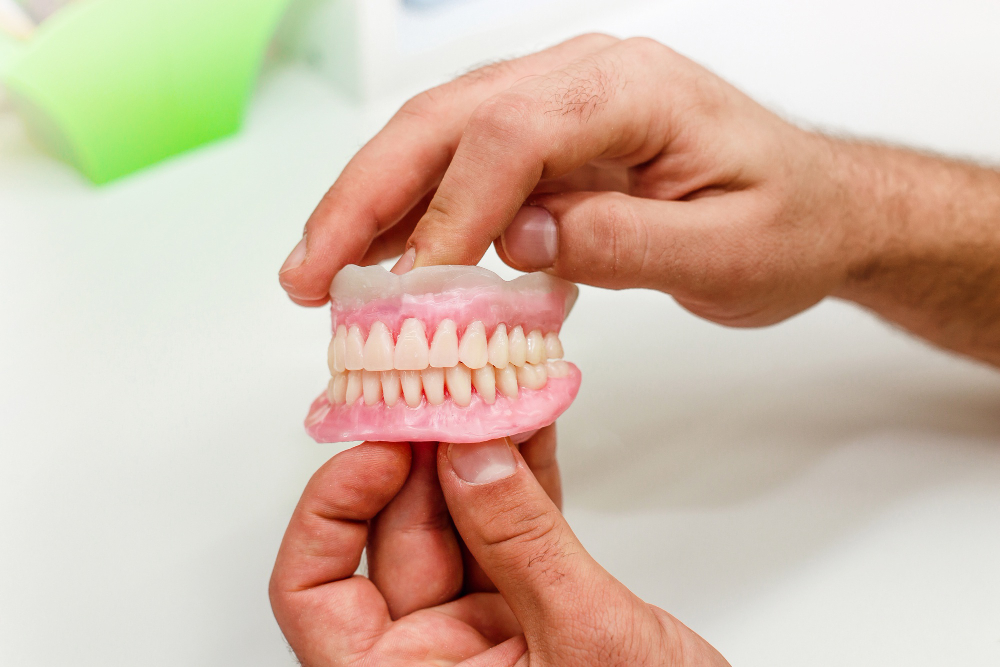
Complete dentures are removable dental devices. They replace all missing teeth in the upper or lower jaw. Many people call them full dentures. If you have lost all your teeth, complete dentures can help you eat, speak, and smile again. According to the World Health Organization, tooth loss is common as people age. For this reason, complete dentures are a popular solution for many adults.
Types of Complete Dentures
There are different types of complete dentures. Each type fits different needs. Knowing your options helps you choose what is best for you.
For example, some people choose immediate dentures to avoid being without teeth. Others wait for conventional dentures for a better fit.
Benefits of Complete Dentures
Complete dentures offer many benefits for people with missing teeth. Not only do they restore your smile, but they also improve daily life.
In addition, full dentures are removable. This makes cleaning and care easier for most people.
Who Needs Complete Dentures?
Anyone who has lost all teeth in one or both jaws may need complete dentures. Tooth loss can happen because of gum disease, tooth decay, or injury. Sometimes, people lose teeth due to age or health conditions. If you have trouble eating or speaking because of missing teeth, dentures for missing teeth may help.
For instance, your dentist may suggest full dentures if you have no healthy teeth left. They will also check your gums and jawbone to see if dentures are right for you.
How Are Complete Dentures Made?
The process of making complete dentures involves several steps. Your dentist will guide you through each stage.
During this process, your dentist will make sure your dentures look natural and feel comfortable.
What to Expect When Getting Complete Dentures
Getting complete dentures is a big change. At first, you may feel some discomfort or soreness. However, most people adjust within a few weeks. You may need several visits for adjustments. This helps your dentures fit better. Eating and speaking may feel strange at first. With practice, these tasks become easier.
For example, start with soft foods and cut them into small pieces. Over time, you will get used to your new dentures.
Caring for Complete Dentures
Proper denture care tips help keep your dentures clean and your mouth healthy. Good habits also make your dentures last longer.
Additionally, avoid using hot water, which can warp dentures. Handle them carefully to prevent damage.
Common Myths About Complete Dentures
Many people believe myths about full dentures. It is important to know the facts.
Because of these myths, some people avoid getting dentures. However, knowing the truth helps you make better choices.
Frequently Asked Questions About Complete Dentures
People often have questions about types of dentures and denture care tips. Here are answers to some common questions:
If you have more questions, your dentist can provide advice based on your needs.