Introduction
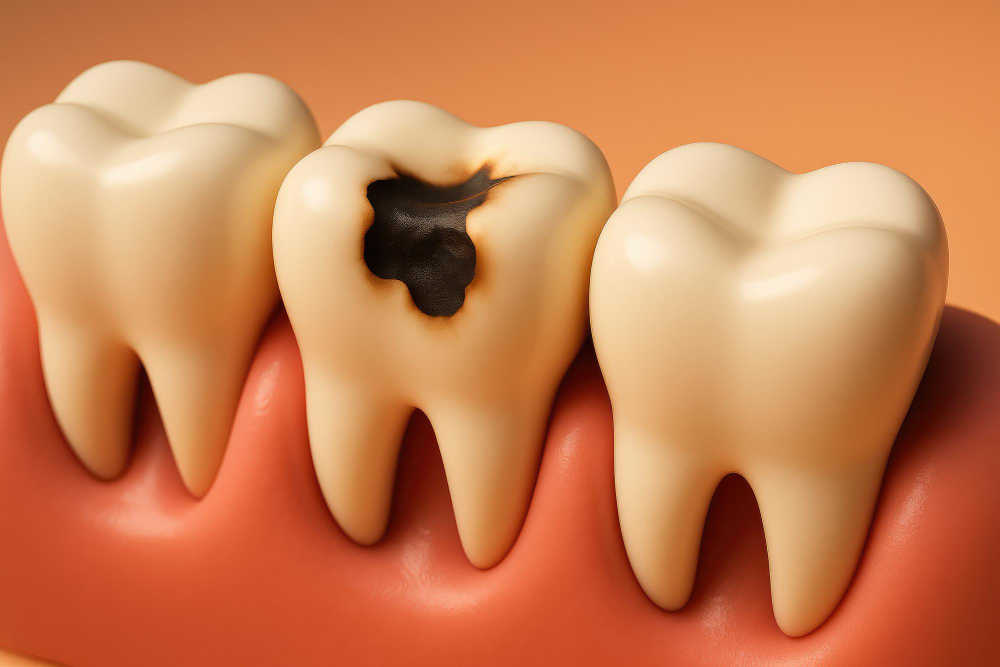
Dental caries, also called cavities or tooth decay, are holes that form in your teeth. These holes develop when bacteria in your mouth break down sugars and produce acids. Over time, these acids can damage your tooth enamel. Because dental caries (cavities) are so common, it is important to know how they form and how to prevent them. Good oral health helps you keep your teeth strong and your smile bright.
What Are Dental Caries (Cavities)?
Dental caries are areas of tooth damage caused by decay. Usually, they start as small spots on the tooth surface. If left untreated, they can grow deeper and affect the inner parts of the tooth. Cavities can cause pain, infection, and even tooth loss. For this reason, early detection and care are important for everyone.
Causes of Dental Caries
Several factors can lead to dental caries. Most often, the main cause is a mix of bacteria, sugary foods, and poor oral hygiene. Here are some common causes:
Because these causes are common, it is important to pay attention to your daily habits.
Symptoms of Dental Caries
Often, dental caries do not cause pain at first. However, as the cavity grows, you may notice signs such as:
If you notice any of these symptoms, it is wise to see a dentist soon. Early treatment can prevent bigger problems.
Diagnosis of Dental Caries
Dentists use several methods to check for cavities. First, they will look at your teeth during a dental exam. Next, they may use special tools to feel for soft spots. Sometimes, X-rays help find hidden decay between teeth. Because early detection is key, regular dental check-ups are important for everyone.
Treatment Options for Cavities
Treatment depends on how deep the cavity is. Your dentist will choose the best option for you. Common treatments include:
Because each case is different, your dentist will explain the best treatment for you.
Prevention Tips for Dental Caries
Preventing dental caries is easier than treating them. Here are some simple tips to help you avoid cavities:
Because prevention is simple, making these habits part of your routine can keep your teeth healthy.
Lifestyle and Oral Hygiene Guidance
Good oral hygiene and healthy habits play a big role in preventing tooth decay. For example, eating a balanced diet helps your teeth stay strong. Also, chewing sugar-free gum can boost saliva and help clean your mouth. If you smoke or use tobacco, quitting can lower your risk of cavities. Remember, teaching children good habits early can protect their teeth for life.
Conclusion
In summary, dental caries (cavities) are common but preventable. With good oral hygiene, healthy eating, and regular dental visits, you can keep your teeth strong. If you notice any signs of cavities, do not wait. Consult a dentist for personalized advice and regular check-ups. Your smile is worth it.
Sources: Centers for Disease Control and Prevention (CDC), World Health Organization (WHO), American Dental Association (ADA).