What Are Dental Plaque and Tartar?
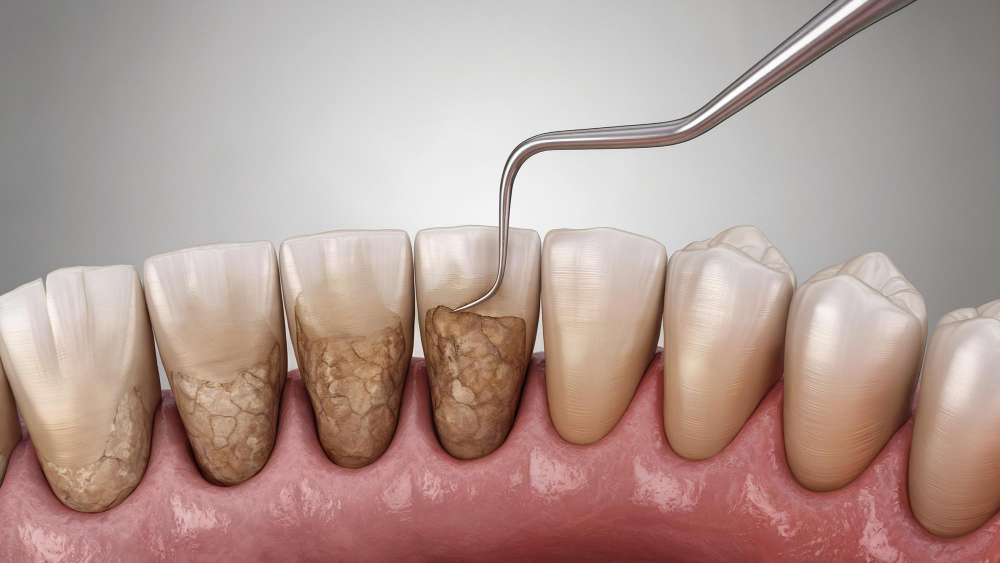
Dental plaque and tartar are common problems for many people. Plaque is a soft, sticky film that forms on your teeth. It contains bacteria, food particles, and saliva. Over time, if you do not remove plaque, it can harden into tartar. Tartar, sometimes called calculus, is a yellow or brown deposit that sticks to your teeth. Unlike plaque, tartar is hard and cannot be removed by brushing alone. Both plaque and tartar can lead to tooth decay and gum disease if left untreated. According to the Centers for Disease Control and Prevention (CDC), almost half of adults in the United States have gum disease linked to plaque and tartar buildup.
Common Symptoms and Signs
Often, you may not notice dental plaque and tartar right away. However, there are some signs to watch for. For example, you might feel a fuzzy coating on your teeth. In addition, you may see yellow or brown stains near your gums. Other symptoms can include:
Because these signs can be mild at first, regular dental checkups are important. Early detection helps prevent bigger problems later.
Causes and Risk Factors
Dental plaque forms when bacteria in your mouth mix with food and saliva. Every time you eat, especially sugary or starchy foods, bacteria produce acids. These acids attack your teeth and gums. If you do not brush and floss well, plaque builds up. Over time, it hardens into tartar. Some people are more at risk than others. For instance, you may have a higher risk if you:
Additionally, older adults and people with weak immune systems may develop more plaque and tartar. The World Health Organization (WHO) notes that good oral hygiene can lower these risks.
How Dental Plaque and Tartar Are Diagnosed
During a dental visit, your dentist will check your teeth and gums for signs of plaque and tartar. Usually, they use a small mirror and a dental probe to look for buildup. Sometimes, they may take X-rays to see if there is damage below the gum line. Early diagnosis helps prevent tooth decay and gum disease. Because tartar is hard, only a dental professional can remove it safely. Regular checkups every six months are recommended by the CDC for most people.
Effective Treatment Options
Once tartar forms, you cannot remove it at home. Instead, your dentist or dental hygienist will use special tools to clean your teeth. This process is called scaling. In some cases, they may also perform root planing to smooth the tooth roots. For mild plaque, daily brushing and flossing can help. However, for tartar, professional dental plaque removal is needed. If gum disease has started, your dentist may suggest other treatments, such as medicated mouth rinses or deeper cleaning. In rare cases, surgery may be needed for severe gum disease.
Prevention Strategies and Daily Oral Hygiene Tips
Preventing dental plaque and tartar is possible with good habits. First, brush your teeth twice a day with fluoride toothpaste. Next, floss every day to remove food between your teeth. In addition, try these oral hygiene tips:
Furthermore, avoid smoking or using tobacco, as these can increase tartar buildup. If you wear braces or dental appliances, ask your dentist for special cleaning tools. By following these steps, you can help prevent tartar and keep your smile healthy. For those living in cities with high rates of gum disease, such as New York or Los Angeles, regular dental visits are even more important. The CDC and WHO both stress the value of daily oral care and professional cleanings for everyone.