What Is Digital Dentistry?
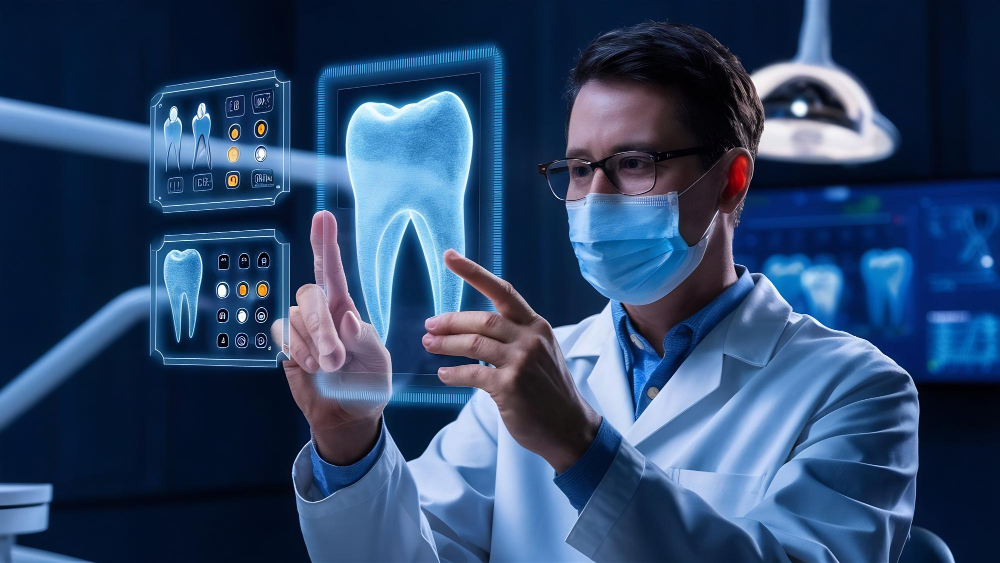
Digital dentistry uses computers and advanced dental technology to improve dental care. In the past, dentists relied on manual tools and traditional methods. Today, digital dentistry brings new ways to diagnose, plan, and treat dental problems. As a result, both patients and dentists enjoy faster and more comfortable visits. This approach is now popular in many cities and dental clinics worldwide.
Key Technologies in Digital Dentistry
Many modern dental care innovations come from digital tools. For example, these technologies help dentists work with more accuracy and speed:
Benefits of Digital Dentistry for Patients and Dentists
Digital dentistry offers many benefits for both patients and dental teams. For instance, patients often spend less time in the dental chair. In addition, digital dental procedures are usually more comfortable. Dentists can also spot problems earlier and plan treatments better. Here are some key benefits:
How Digital Dentistry Improves Diagnosis and Treatment Planning
With digital tools, dentists can see your teeth and gums in great detail. For example, digital X-rays and 3D scans show problems that are hard to spot with the naked eye. Because of this, dentists can make more accurate diagnoses. Furthermore, treatment plans become clearer and more effective. Dentists can even show you digital images to explain your options.
Common Digital Dental Procedures
Many dental offices now use digital dental procedures every day. For example, you may experience these during your next visit:
As digital dentistry grows, more procedures will use these advanced dental technologies.
Safety, Accuracy, and Patient Experience Enhancements
Digital dentistry is safer and more accurate than many older methods. For instance, digital X-rays use less radiation, which is safer for patients. Additionally, digital scans reduce mistakes, so dental work fits better and lasts longer. Many patients also feel less anxious because digital tools are faster and less messy. As a result, visits are smoother and more pleasant for everyone.
Future Trends in Digital Dental Care
Looking ahead, digital dentistry will keep changing modern dental care. For example, artificial intelligence (AI) may help dentists spot problems even earlier. Also, more clinics will use 3D printing for custom dental devices. Tele-dentistry, where dentists help patients online, is also growing. As technology advances, dental care will become even more precise, safe, and comfortable for patients everywhere.