What Are Oral Ulcers?
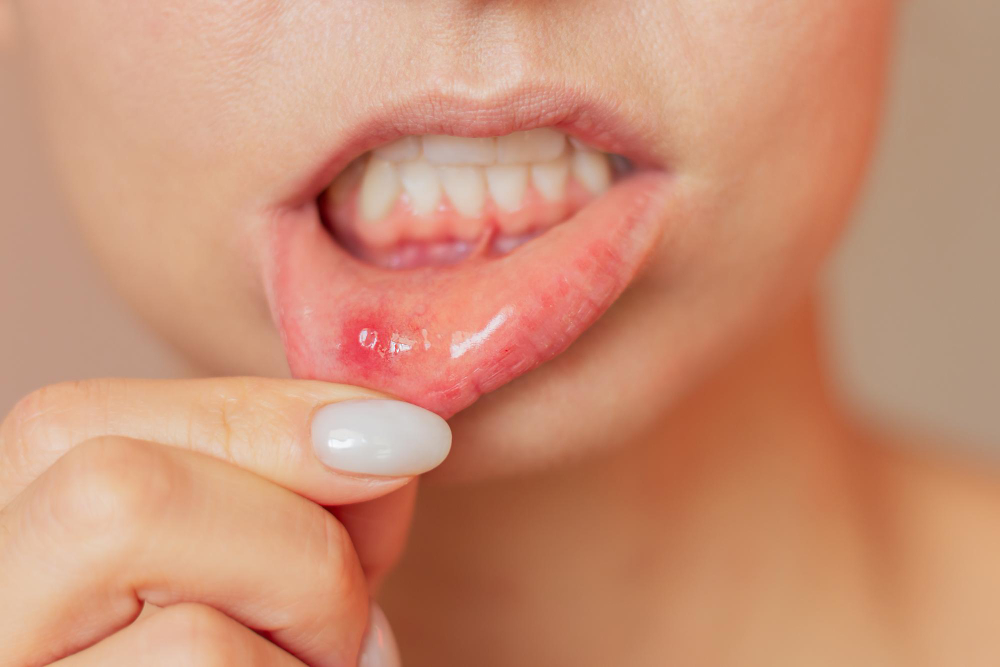
Oral ulcers are small, painful sores inside the mouth. These mouth sores can appear on the tongue, gums, lips, or inner cheeks. Often, people call them canker sores. While most oral ulcers heal on their own, some may last longer or return often. Because oral ulcers can make eating and talking hard, many people look for ways to ease the pain. According to the World Health Organization, oral ulcers are common and affect people of all ages.
Common Symptoms of Oral Ulcers
Usually, oral ulcers have clear signs. For example, you may notice:
In most cases, the pain feels worse during the first few days. However, the discomfort often gets better as the sore heals.
Causes and Risk Factors of Oral Ulcers
Many things can cause oral ulcers. Sometimes, the exact reason is not clear. However, some common oral ulcer causes include:
Additionally, people with a family history of mouth sores may get them more often. Smoking and poor oral hygiene can also raise the risk.
How Oral Ulcers Are Diagnosed
Doctors usually diagnose oral ulcers by looking at the sores. First, they will ask about your symptoms and health history. Next, they may check for signs of infection or other health problems. In rare cases, your doctor might suggest tests, such as:
Most of the time, these extra tests are not needed. However, if sores last longer than three weeks or keep coming back, further checks may help.
Treatment Options for Oral Ulcers
Many oral ulcers heal without treatment in one to two weeks. Still, some treatments can help with pain and healing. For example, oral ulcer treatment may include:
Sometimes, your doctor may suggest avoiding certain foods or using a soft toothbrush. If you have large or very painful sores, medical care may be needed.
Home Care and Lifestyle Tips
While oral ulcers can be bothersome, some simple steps may help you feel better. For instance, you can:
However, if sores do not heal or get worse, it is important to seek medical advice.
Preventing Oral Ulcers
Although not all oral ulcers can be prevented, some habits may lower your risk. For example:
By following these steps, you may reduce the chance of getting mouth sores or canker sores in the future.