Introduction
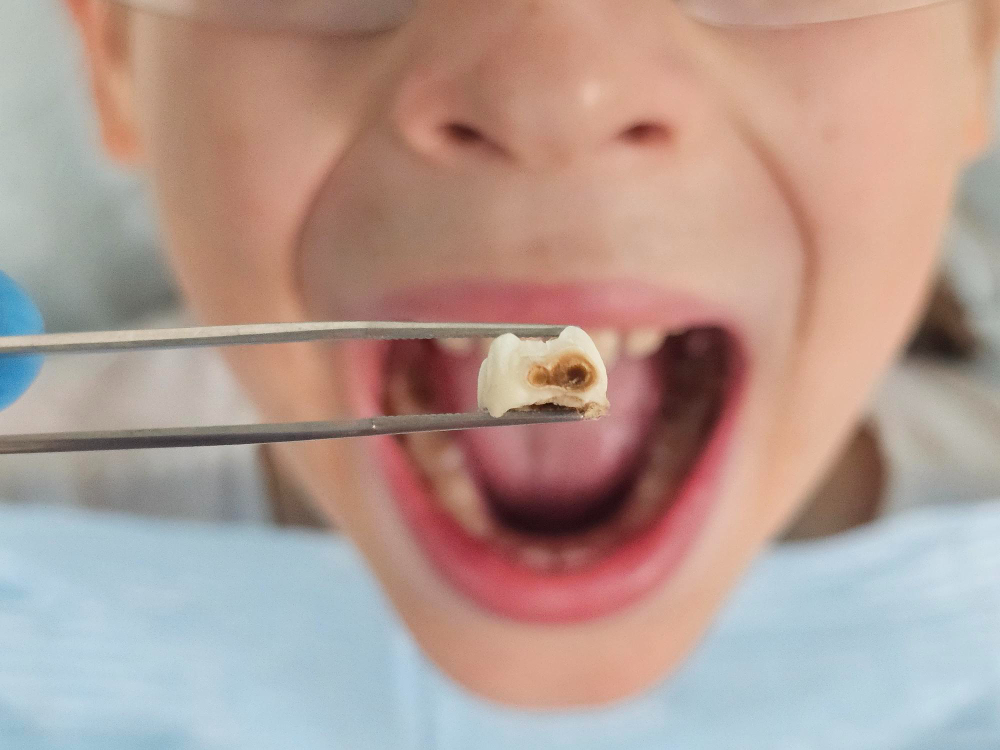
Tooth decay, also known as cavities, is a common dental problem. Many people look for the best treatment options for tooth decay. Early care can stop pain and prevent bigger issues. In the United States, cavities affect both children and adults. This guide explains how to treat cavities, dental cavity solutions, and ways to keep your teeth healthy.
Symptoms of Tooth Decay
It is important to spot tooth decay early. Often, you may not notice a cavity at first. However, as it grows, you might see signs. For example, you may feel pain or see changes in your teeth. Watch for these symptoms:
Causes of Tooth Decay
Tooth decay happens when bacteria in your mouth make acids. These acids break down the tooth’s hard surface. Over time, this leads to cavities. Several factors increase your risk:
According to the CDC, tooth decay is one of the most common chronic diseases worldwide.
Diagnosis of Tooth Decay
Early diagnosis helps prevent serious problems. Dentists use several methods to find cavities. First, they check your teeth during a dental exam. Next, they may use X-rays to see hidden decay. Sometimes, they use special tools to test for soft spots. If you notice any symptoms, schedule a dental visit soon.
Detailed Treatment Options for Tooth Decay
There are many treatment options for tooth decay. The right choice depends on how much damage there is. Below are the main dental cavity solutions:
Fluoride Treatments
For early-stage decay, fluoride can help. Dentists apply a strong fluoride gel or varnish to your teeth. This treatment can repair tiny spots before they turn into cavities. It is quick, painless, and safe. However, it works best if the cavity is just starting.
Dental Fillings
If a cavity has formed, a filling is often needed. The dentist removes the decayed part and fills the hole with a special material. Common filling materials include:
Fillings are safe and last for many years. They restore the tooth’s shape and function. Most people feel little pain during this treatment.
Crowns
If decay is severe or the tooth is weak, a crown may be needed. A crown is a cap that covers the whole tooth. Dentists use crowns to protect and strengthen teeth. Crowns are made from metal, porcelain, or ceramic. This treatment takes two visits. First, the dentist shapes the tooth. Then, they place the crown. Crowns can last many years with good care.
Root Canal Treatment
Sometimes, decay reaches the tooth’s inner pulp. In this case, a root canal is needed. The dentist removes the infected pulp and cleans the inside of the tooth. Next, they fill and seal the tooth. Finally, a crown is placed for protection. Root canals save teeth that would otherwise need removal. Most people feel relief after this treatment.
Tooth Extraction
If a tooth is badly damaged, it may need to be removed. Extraction is usually the last option. After removal, you can discuss replacement options like bridges or implants with your dentist.
Prevention Tips for Tooth Decay
Preventing cavities is easier than treating them. Try these simple steps to keep your teeth healthy:
Lifestyle Guidance for Healthy Teeth
Besides dental care, your daily habits matter. For example, eating a balanced diet helps your teeth stay strong. Choose foods rich in calcium and vitamins. Avoid sipping sugary drinks throughout the day. If you smoke or use tobacco, try to quit. These steps lower your risk of tooth decay and other dental problems.
Conclusion
To sum up, there are many ways to treat cavities. Early treatment options for tooth decay, like fluoride and fillings, work well for small problems. For bigger issues, crowns or root canals may be needed. Prevention is always best. Brush, floss, and see your dentist often. Consult a dentist for personalized advice and early treatment of tooth decay.