Introduction
Veneers are thin covers placed on the front of teeth to improve their look. Many people choose veneers to fix chipped, stained, or uneven teeth. Because veneers can change your smile quickly, they are a popular choice in cosmetic dentistry. If you want a brighter, more even smile, veneers may be the answer. In this guide, you will learn what veneers are, why people get them, and how the process works. You will also discover the benefits, risks, and tips for caring for your new smile.
What Are Veneers?
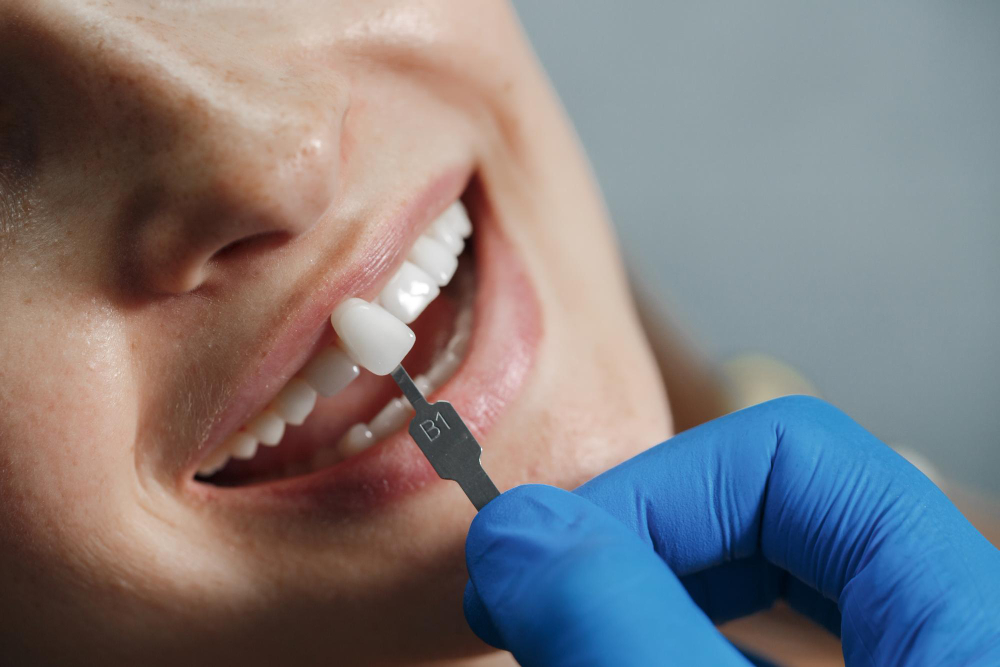
Veneers are thin shells made from porcelain or resin. Dentists bond them to the front of your teeth. As a result, they can change the color, shape, size, or length of your teeth. Most often, people choose porcelain veneers because they look natural and resist stains. However, resin veneers can also be a good option for some patients. According to the American Dental Association, veneers are safe and effective when placed by a trained dentist.
Common Reasons for Getting Veneers
People choose veneers for many reasons. For example, you might want to:
Sometimes, other treatments like teeth whitening or bonding may not work. In those cases, veneers can be a great solution. Many people feel more confident after getting veneers.
The Veneer Procedure: Step-by-Step
Getting veneers usually takes two or three visits to the dentist. Here is what you can expect:
After the procedure, you can usually return to normal activities right away. However, your dentist may give you special care instructions.
Benefits and Potential Risks of Veneers
Veneers offer many benefits. For instance, they can:
But, there are also some risks to consider. For example, veneers are permanent because your dentist removes some enamel. Also, they can chip or break if you bite hard foods. Sometimes, veneers may not match your other teeth perfectly. According to dental experts, most people are happy with their veneers, but it is important to know the risks before you decide.
How to Care for Veneers
Proper care helps your veneers last longer. Here are some tips:
With good care, veneers can last 10 years or more. Still, you should follow your dentist’s advice for the best results.
Frequently Asked Questions About Veneers
If you want to improve your smile, veneers may be a good choice. Consult a qualified dentist to find out if veneers are right for you.