
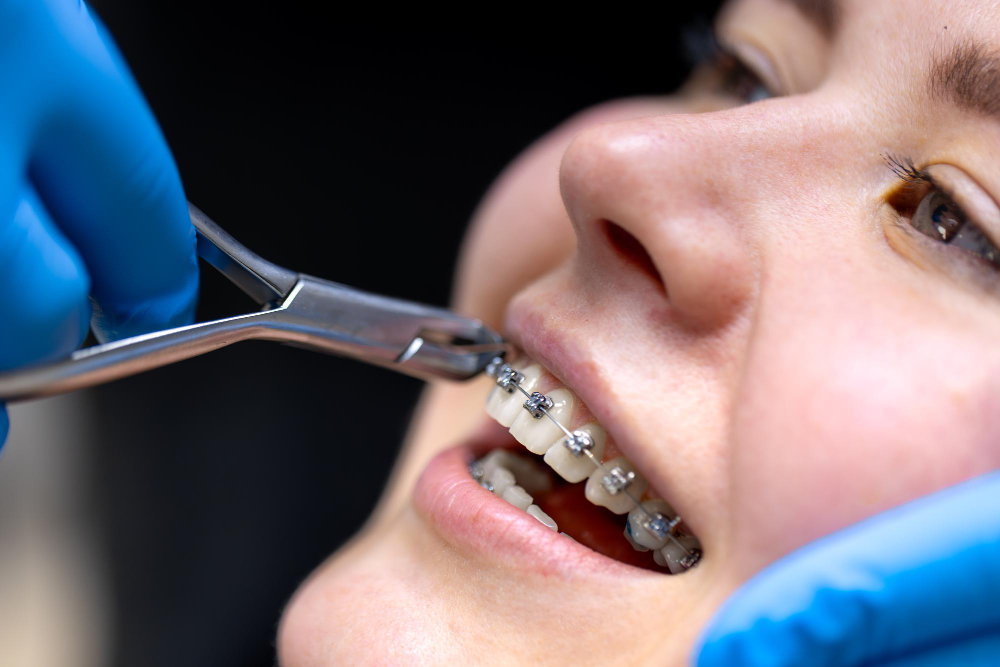
Braces are a common way to straighten teeth and fix bites. Many people wonder, “What is the right time to get braces?” Choosing the right moment can make treatment easier and more effective. In this guide, you will learn about braces, why timing matters, and how to decide the best age for braces. We will also share tips for parents and answer common questions about orthodontic treatment.
What Are Braces?
Braces are dental devices that help move teeth into better positions. They use gentle pressure to shift teeth over time. Most braces have metal brackets and wires, but clear or ceramic options are also available. Some people wear removable aligners instead of traditional braces. Braces can fix crooked teeth, crowded teeth, and bite problems. According to the American Dental Association (ADA), braces improve both dental health and appearance.
Why Timing Matters for Braces
Timing is important when starting braces. Early treatment can prevent bigger problems later. However, starting too soon may not be helpful. On the other hand, waiting too long can make treatment harder. For this reason, dentists and orthodontists look at each person’s needs before recommending braces. The right timing can lead to better results and a shorter treatment time.
Signs You Might Need Braces
Not everyone needs braces, but some signs suggest they could help. Watch for these signs in children and adults:
If you notice any of these, it may be time to visit a dentist or orthodontist. They can check if braces are needed.
Best Age to Get Braces
Many parents ask about the best age for braces. The American Association of Orthodontists (AAO) suggests children have their first check-up by age 7. At this age, a dentist can spot early problems. However, most children start braces between ages 9 and 14. This is when most adult teeth have come in, but the jaw is still growing. For adults, it is never too late to get braces, but treatment may take longer.
Factors That Influence the Right Time for Braces
Several factors affect when to start braces. These include:
Because every person is different, a dentist or orthodontist will consider these factors before making a plan. Sometimes, early treatment is best. Other times, waiting until more teeth come in is better.
What to Expect During the Braces Process
Getting braces is a step-by-step process. First, you will have a dental exam and X-rays. Next, the orthodontist will make a treatment plan. Then, braces or aligners are placed on your teeth. You will visit the orthodontist every few weeks for adjustments. Treatment usually lasts one to three years. After braces come off, you may need to wear a retainer to keep teeth in place. Throughout the process, good dental care is important. Brushing and flossing help prevent cavities and gum problems.
Frequently Asked Questions About Braces Timing
Tips for Parents Considering Braces for Children
Parents play a key role in dental health. Here are some tips if you are thinking about braces for your child:
With the right support, children can have a smooth experience with braces.
Conclusion
Choosing the right time to get braces is important for dental health. Early advice from a dentist or orthodontist can help you decide. Whether for a child or an adult, braces can improve smiles and confidence. Consult a qualified dentist or orthodontist to determine the best time for braces for you or your child.